
Best Indoor Plants for Beginners: Easy Plants to Grow at Home

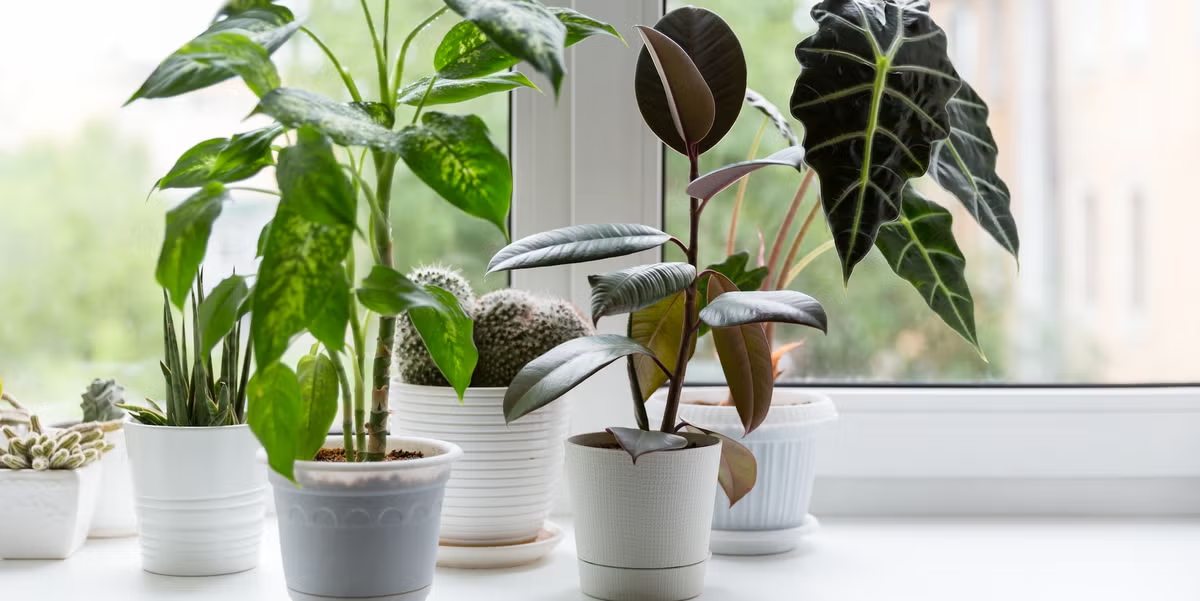
Bringing greenery into your home is one of the easiest ways to make your living space feel fresh, comfortable, and inviting. However, if you are new to gardening, choosing the right plant can sometimes feel overwhelming. Some indoor plants need frequent watering, specific lighting, or regular maintenance, while others can thrive with very little attention.
The good news is that plenty of easy indoor plants for beginners are available. With the right choice, you can enjoy beautiful greenery without becoming an experienced gardener overnight.
Whether you live in a small apartment or a spacious house, this guide covers some of the best indoor plants for beginners, along with practical tips to help you keep them healthy.
Why Indoor Plants Are Great for Beginners
Indoor plants can add natural beauty to almost any room. They can brighten up desks, bedrooms, living rooms, kitchens, and other areas without requiring major changes to your décor.
For beginners, low-maintenance plants are especially useful because they are generally more forgiving when you occasionally forget to water them or place them somewhere with less-than-perfect conditions.
When choosing your first plant, consider its light requirements, watering needs, available space, and the amount of time you can dedicate to plant care.
How to Choose the Right Indoor Plant
Before purchasing an indoor plant, take a look around your home. Notice which areas receive bright sunlight and which remain shaded throughout the day.
If your home has limited natural light, choose plants that tolerate low-light conditions. Similarly, if you tend to forget watering, look for drought-tolerant varieties.
The size of the plant also matters. Compact varieties work well for desks and shelves, while larger plants can become attractive focal points in living rooms.
10 Easy Indoor Plants for Beginners
1. Snake Plant
Snake plants are among the most popular choices for beginners. Their upright leaves give them a modern appearance, and they can tolerate a range of indoor conditions.
They do not require frequent watering, making them suitable for people who prefer low-maintenance greenery. Allow the soil to dry between waterings and avoid keeping the roots constantly wet.
2. Pothos
Pothos is another excellent choice for new plant owners. Its trailing vines look particularly attractive from shelves, hanging baskets, or high cabinets.
It can adapt to different indoor lighting conditions, although brighter indirect light can encourage healthier growth. Water when the top layer of soil feels dry.
3. Spider Plant
Spider plants are easy to grow and are known for producing small plantlets that grow from the main plant. Their green or variegated leaves can add a fresh touch to bedrooms, offices, and living spaces.
They generally prefer bright, indirect light and moderate watering.
4. ZZ Plant
If you want a plant that can handle occasional neglect, consider a ZZ plant. Its glossy leaves and upright growth make it a stylish addition to modern interiors.
ZZ plants can tolerate lower light and do not need frequent watering. Let the soil dry out between watering sessions.
5. Peace Lily
Peace lilies are known for their attractive green foliage and elegant white flowers. They prefer indirect light and consistent moisture.
Although they require slightly more attention than some of the hardiest beginner plants, their appearance makes the extra care worthwhile.
6. Aloe Vera
Aloe vera is a practical choice for a sunny indoor location. It prefers bright light and well-draining soil.
Because it stores water in its leaves, it does not need frequent watering. Allow the soil to dry before watering again.
7. Rubber Plant
Rubber plants feature broad, glossy leaves and can become impressive indoor specimens when given enough room to grow.
They generally prefer bright, indirect light. Water when the upper portion of the soil becomes dry and avoid excessive moisture.
8. Chinese Evergreen
Chinese evergreen plants are valued for their attractive foliage and adaptability. They can tolerate lower-light environments, making them useful for rooms without strong natural sunlight.
Keep the soil moderately moist but avoid overwatering.
9. Jade Plant
Jade plants are popular succulents with thick leaves and sturdy stems. They prefer bright light and well-draining soil.
Like other succulents, they are better suited to occasional deep watering rather than frequent small amounts of water.
10. Monstera
Monstera is an excellent option if you want a larger plant with distinctive leaves. Its dramatic foliage can create a strong natural feature in a living room or spacious office.
Give it bright, indirect light and enough room to spread as it grows.
How to Care for Indoor Plants
Light Requirements
Light is one of the most important factors in successful indoor plant care. However, not every plant needs direct sunlight.
Bright, indirect light is suitable for many popular houseplants. Plants with lower-light requirements can be placed farther away from windows, while sun-loving varieties may need a brighter position.
Watering Tips
Overwatering is one of the most common mistakes beginners make. More water does not necessarily mean healthier plants.
Before watering, check the soil with your finger. If the top layer is still damp, you may need to wait. Always use pots with suitable drainage so excess water can escape.
Soil and Pot Selection
Good drainage helps prevent water from remaining around the roots for too long. Choose a pot with drainage holes and use a suitable potting mix based on the plant variety.
Succulents, for example, generally benefit from a fast-draining soil mix, while tropical foliage plants may prefer a more moisture-retentive mixture.
Common Indoor Plant Care Mistakes
Overwatering
Watering on a fixed schedule without checking the soil can lead to problems. Plant needs vary according to light, temperature, season, pot size, and soil type.
Choosing the Wrong Location
A plant that needs bright light may struggle in a dark corner, while a shade-tolerant plant may suffer if exposed to harsh direct sunlight.
Ignoring Signs of Plant Stress
Yellow leaves, drooping foliage, dry edges, slow growth, or soft stems can indicate that something is wrong. Pay attention to these changes and adjust watering, lighting, or placement when necessary.
Best Indoor Plants for Different Home Conditions
Best Plants for Low Light
Snake plants, ZZ plants, pothos, and Chinese evergreen are popular choices for areas with limited natural light. Keep in mind that low-light tolerance does not mean complete darkness; plants still need some light to survive.
Best Plants for Small Spaces
Pothos, spider plants, aloe vera, and compact snake plants can work well in apartments, bedrooms, offices, and other smaller areas.
Best Low-Maintenance Indoor Plants
If you’re completely new to plant care, start with a snake plant, ZZ plant, pothos, or another forgiving variety. These plants allow beginners to develop basic gardening habits without demanding constant attention.
Final Tips for Growing Healthy Indoor Plants
Starting with the right plant makes indoor gardening much easier. Instead of choosing a plant simply because it looks attractive, consider whether its light, water, and space requirements match your home.
Start with one or two easy-care varieties, learn how they respond to their environment, and gradually expand your collection as your confidence grows.
Whether you’re decorating a new home or simply looking for affordable ways to refresh your space, indoor plants can be a rewarding addition. And when shopping online for gardening supplies or related products, checking CouponNvoucher discount codes and Retialescaper Discount Codes may help you find available savings on eligible purchases.