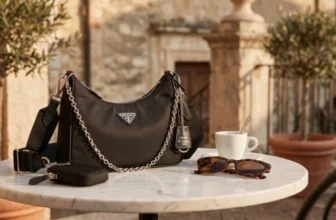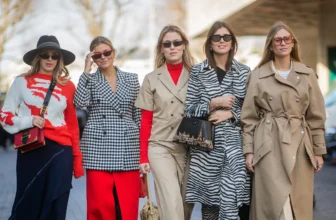


Fashion in 2026 is no longer about standing out visually; it is about blending in intelligently. Quiet techwear has emerged as a defining niche where advanced functionality meets understated design. This shift reflects a deeper change in how people approach clothing—prioritizing adaptability, longevity, and purpose over short-lived trends. Functional minimalism is not a style choice anymore; it is a lifestyle decision shaped by technology, climate realities, and evolving consumer values.
What Is Quiet Techwear in 2026?
Quiet techwear represents a refined evolution of performance fashion. Unlike earlier techwear trends that emphasized aggressive silhouettes and visible hardware, the 2026 interpretation focuses on discretion. The technology exists, but it is intentionally hidden within clean cuts, neutral palettes, and everyday wearability.
This approach appeals to consumers who want clothing that works across multiple environments without drawing attention. Quiet techwear is as suitable for urban commuting as it is for remote work, travel, or unpredictable weather conditions. The design philosophy centers on usefulness that does not demand visual validation.
The Evolution from Loud Techwear to Subtle Design
Early techwear relied heavily on tactical aesthetics, oversized fits, and overt functionality. While innovative, it limited accessibility and mass appeal. Over time, designers recognized the need to integrate performance features into familiar silhouettes.
By 2026, the shift toward subtle design has matured. Jackets resemble classic outerwear but offer temperature regulation. Trousers maintain tailored lines while providing stretch, water resistance, and durability. This evolution reflects a market that values restraint and intelligence over spectacle.
Key Characteristics of Quiet Techwear Aesthetics
Quiet techwear aesthetics prioritize harmony between form and function. The garments feel intentional rather than experimental. Common characteristics include:
-
Muted and earthy color palettes
-
Seamless construction and reduced branding
-
Lightweight layering systems
-
Versatile designs suitable for daily wear
These elements create clothing that feels timeless while quietly delivering performance benefits.
Why Functional Minimalism Defines 2026 Fashion
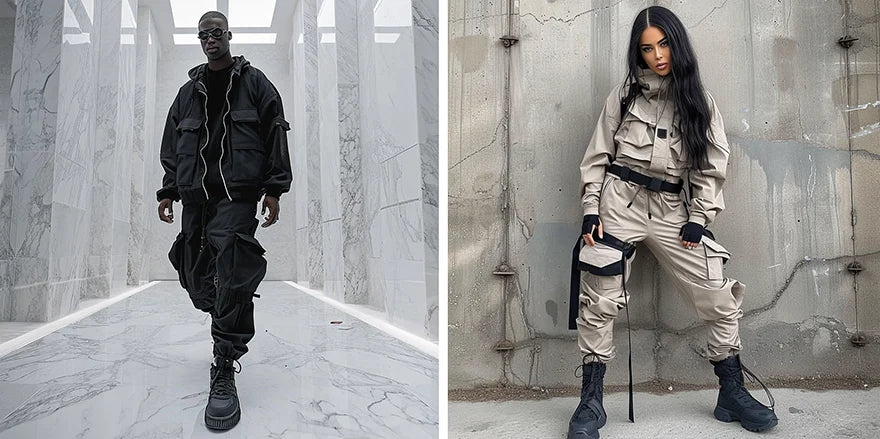
Functional minimalism has become the foundation of modern wardrobes. Consumers no longer want excess—whether in visual clutter or unused features. Fashion in 2026 reflects this mindset by offering fewer pieces that do more.
This shift aligns with broader lifestyle changes. People move between digital and physical spaces seamlessly, and clothing must adapt just as fluidly. Functional minimalism answers this need with efficiency and clarity.
Utility Without Visual Noise
Modern consumers want garments that solve problems without announcing themselves. Quiet techwear removes unnecessary elements while retaining essential performance. Zippers are concealed, seams are purposeful, and details exist only when they serve a function.
This approach allows wearers to focus on comfort and capability rather than managing their outfit. The result is clothing that supports daily life instead of competing for attention.
Minimal Silhouettes with Maximum Performance
Minimal silhouettes are no longer basic; they are engineered. Advances in fabric technology allow slim profiles to deliver insulation, breathability, and mobility simultaneously. A single jacket can replace multiple layers, reducing wardrobe complexity.
This efficiency resonates strongly in 2026, where versatility is valued over volume. Consumers invest in fewer garments that perform consistently across seasons and settings.
Core Materials and Technologies Powering Quiet Techwear
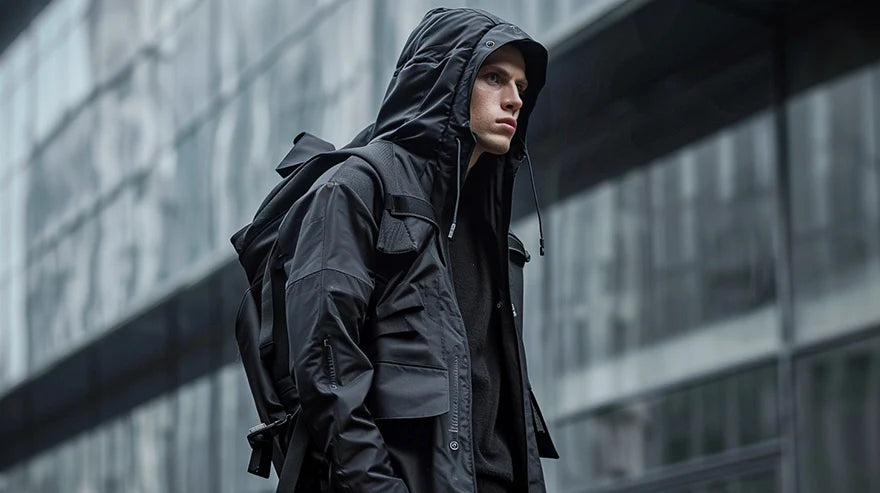
The success of quiet techwear depends heavily on material innovation. Designers now collaborate closely with textile engineers to create fabrics that enhance comfort while reducing environmental impact.
These materials are not experimental concepts anymore; they are commercially viable and increasingly accessible. Their integration marks a turning point in functional fashion.
Smart Fabrics and Adaptive Textiles
Smart fabrics in 2026 respond dynamically to body temperature and movement. Some adjust breathability based on heat levels, while others regulate insulation automatically. These textiles improve comfort without requiring user interaction.
Adaptive fabrics also extend garment lifespan. Their resilience reduces wear and tear, aligning with the growing demand for durable fashion. This shift supports informed purchasing decisions often highlighted in platforms like RetailsReview, where performance and longevity matter.
Weather-Responsive and Climate-Adaptive Clothing
Climate unpredictability has influenced design priorities. Quiet techwear now incorporates weather-responsive properties such as water repellency, wind resistance, and UV protection. These features are embedded subtly, maintaining a clean aesthetic.
The ability to handle changing conditions makes these garments ideal for urban lifestyles. Consumers appreciate clothing that adapts without requiring constant outfit changes.
How Quiet Techwear Reflects Changing Consumer Behavior
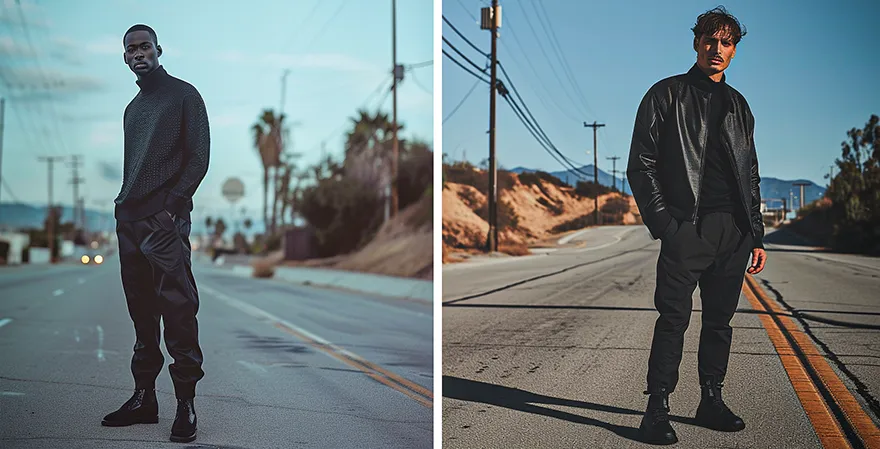
Quiet techwear is not just a design trend; it mirrors a broader transformation in consumer values. Shoppers are more informed, intentional, and selective about what they wear.
This behavior shift influences how brands communicate, design, and deliver products. Transparency and functionality have become critical trust factors.
Demand for Longevity Over Fast Fashion
Fast fashion has lost credibility among conscious consumers. In its place, longevity has become a core purchasing criterion. Quiet techwear supports this demand by offering durable materials and timeless designs.
Consumers increasingly research before buying, often comparing options through platforms like CouponNvoucher to balance value with quality. The focus is not on owning more, but on owning better.
The Rise of Purpose-Driven Wardrobes
Wardrobes in 2026 are built around purpose. Each piece serves a defined role, reducing redundancy. Quiet techwear fits seamlessly into this model by offering multifunctional garments.
This approach simplifies decision-making and encourages mindful consumption. It also reflects a growing preference for brands that align with personal values rather than seasonal hype.
Quiet Techwear vs Traditional Minimalism
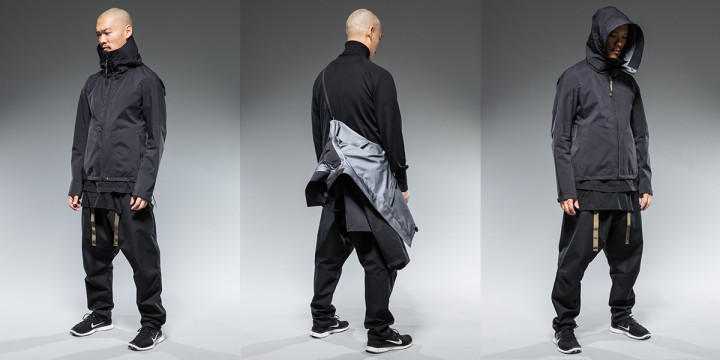
While quiet techwear and traditional minimalism share visual similarities, their philosophies differ significantly. Traditional minimalism focuses primarily on aesthetics, whereas quiet techwear emphasizes performance.
Understanding this distinction helps consumers make informed wardrobe choices based on lifestyle needs rather than appearance alone.
Design Philosophy and Functionality Differences
Traditional minimalist clothing often prioritizes form over function. Fabrics may look refined but lack adaptability. Quiet techwear reverses this balance, ensuring that every design choice serves a purpose.
This functional mindset appeals to individuals who value practicality without sacrificing style. It also supports long-term wearability across different contexts.
Why Tech Integration Is the Key Distinction
Technology defines quiet techwear. Integrated features such as moisture control, stretch recovery, and thermal regulation set it apart. These elements remain invisible but impactful.
As consumers increasingly rely on trusted shopping guides like RetialHub, the emphasis on technical performance becomes a deciding factor in purchase decisions.
Styling Quiet Techwear for Everyday Wear
Quiet techwear is designed to integrate effortlessly into daily life. Styling it does not require expertise; it relies on thoughtful combinations and intentional layering.
The versatility of these garments allows wearers to transition seamlessly between work, travel, and leisure.
Building a Capsule Wardrobe with Techwear Pieces
A capsule wardrobe built around quiet techwear focuses on adaptability. Key pieces include a performance jacket, technical trousers, and breathable base layers. Each item complements the others.
This structure reduces clutter and enhances consistency. Consumers looking for curated deals often explore resources like DealsProvide to invest strategically in high-value pieces.
Balancing Functionality and Personal Style
Personal style remains important, even within minimal frameworks. Quiet techwear allows for subtle customization through fit, texture, and layering choices.
The goal is not uniformity, but coherence. Wearers can express individuality while benefiting from functional design.
The Future of Quiet Techwear Beyond 2026
Quiet techwear is positioned for sustained growth. Its principles align with long-term shifts in lifestyle, technology, and environmental awareness.
Rather than fading as a trend, it is becoming a foundational category within modern fashion.
Mass Adoption vs Niche Luxury Appeal
While quiet techwear originated in niche markets, it is moving toward broader adoption. Affordable versions coexist with luxury interpretations, expanding accessibility.
Consumers continue to rely on comparison platforms such as RetialEscaper to navigate this expanding market and identify offerings that match their needs.
How Quiet Techwear Will Influence Mainstream Fashion
Mainstream fashion is already adopting quiet techwear principles. Clean designs, performance fabrics, and modular layering systems are becoming standard.
As education around functionality grows through channels like CouponNvoucher and RetialEscaper, consumer expectations will continue to shape the industry toward smarter design.
Conclusion
Quiet techwear in 2026 represents a mature response to modern living. It balances innovation with restraint, offering clothing that supports daily life without unnecessary complexity. Functional minimalism has proven to be more than a trend; it is a practical philosophy grounded in efficiency, longevity, and adaptability.
As consumers seek guidance from trusted platforms like DealsProvide, RetialHub, and RetailsReview, informed decision-making will continue to drive this evolution. Quiet techwear empowers individuals to invest thoughtfully, dress purposefully, and move confidently into the future of fashion.